


Anti-Mouse APOE Antibody (HJ6.3)
- Catalog number: RA10537
- Availability: In Stock
$196.00
- Ex Tax: $196.00
Host species: Mouse
Isotype: IgG1, kappa
Species reactivity: Mouse
Form: Liquid
Storage buffer: 0.01M PBS, pH 7.4.
Concentration: 1.54 mg/ml
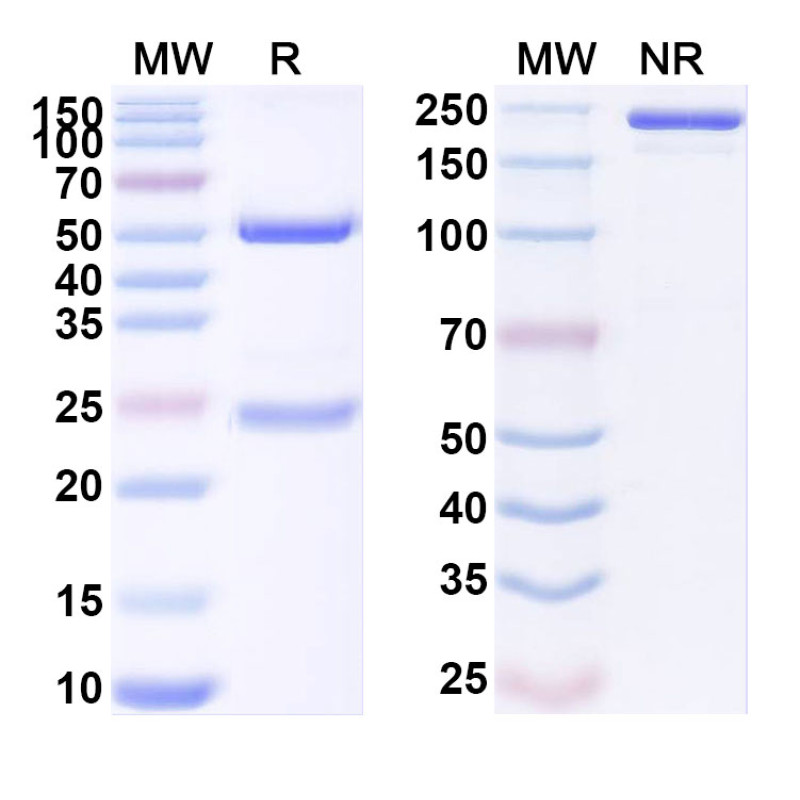
Purity: >95% as determined by SDS-PAGE.
Clonality: Monoclonal
Applications: Blocking, IHC
Target: Apo-E, Apolipoprotein E, APOE
Purification: Protein A/G purified from cell culture supernatant.
Endotoxin level: Please contact with the lab for this information.
Stability and Storage: Use a manual defrost freezer and avoid repeated freeze-thaw cycles. Store at 4°C short term (1-2 weeks). Store at -20°C 12 months. Store at -80°C long term.
Alternative Names:
Background: Apolipoprotein E (APOE) is a ~35 kDa protein. APOE is an apolipoprotein, a protein associating with lipid particles, that mainly functions in lipoprotein-mediated lipid transport between organs via the plasma and interstitial fluids. APOE is a core component of plasma lipoproteins and is involved in their production, conversion and clearance. Apolipoproteins are amphipathic molecules that interact both with lipids of the lipoprotein particle core and the aqueous environment of the plasma. As such, APOE associates with chylomicrons, chylomicron remnants, very low density lipoproteins (VLDL) and intermediate density lipoproteins (IDL) but shows a preferential binding to high-density lipoproteins (HDL). It also binds a wide range of cellular receptors including the LDL receptor/LDLR and the very low-density lipoprotein receptor/VLDLR that mediate the cellular uptake of the APOE-containing lipoprotein particles.
References:
1. Gonzales, JC. et al. (2013) The Journal of clinical investigation 123, 2742-51. PMID: 23676495
Note: For research use only.
Images
-
 Bioactivity
SEC-HPLC detection for Anti-Mouse APOE Antibody (HJ6.3).
-
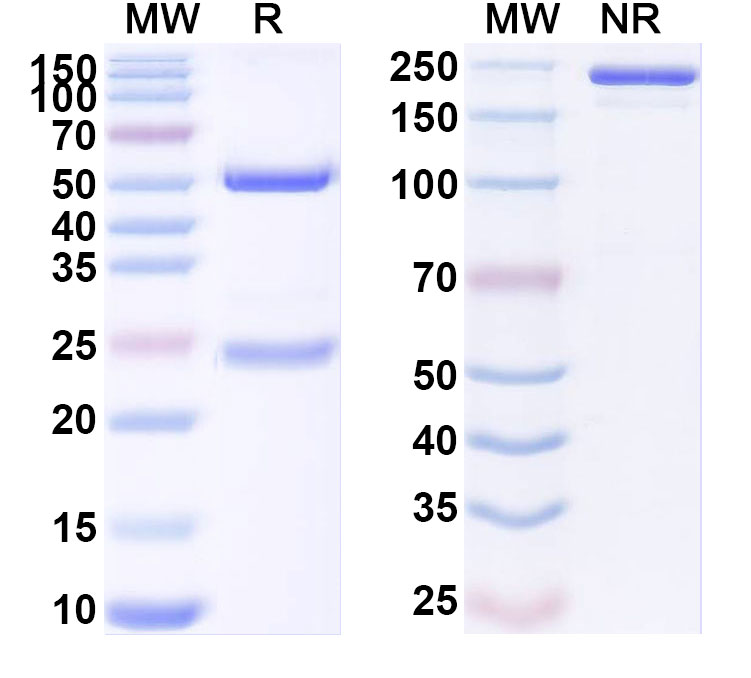 SDS-PAGE
SDS-PAGE for Anti-Mouse APOE Antibody (HJ6.3).
-
 Western blot
Western blot analysis was performed using anti-APOE monoclonal antibody at 1ug/mL on various samples.
Lane 1: Mouse liver lysate
Lane 2: Mouse brain lysate
Lane 3: Mouse heart lysate