


Anti-Human FCRN Reference Antibody (Batoclimab, RUO)
- Catalog number: BS10388
- Availability: In Stock
$326.00
- Ex Tax: $326.00
Description: Batoclimab (BS10388) is a research-grade recombinant antibody targeting IgG Fc fragment receptor transporter alpha chain. Produced in mammalian cells with native-like glycosylation.
Highlights:
• Research Grade — For PK/PD studies, assay development, and ADA research.
• Native Glycosylation — Mammalian expression ensures native-like patterns.
Host species: Human
Isotype: IgG1-lambda
Species reactivity: Human
Immunogen:
Form: Liquid
Storage instructions:
Storage buffer: 0.01M PBS, pH7.4.
Concentration: 1.29mg/ml
Purity: >95% as determined by SDS-PAGE.
Clonality: Monoclonal
Applications: Research Grade Biosimilar
Target: IgGFcfragmentreceptortransporteralphachain,IgGreceptorFcRnlargesubunitp51,FcRn,FCGRT,FCRN,NeonatalFcreceptor
Purification: Protein A/G purified from cell culture supernatant.
Endotoxin level: <1EU/mg, determined by LAL gel clotting assay
Expression system: Mammalian Cells
Stability and Storage: Use a manual defrost freezer and avoid repeated freeze-thaw cycles. Store at 4°C short term (1-2 weeks). Store at -20°C 12 months. Store at -80°C long term.
Alternative Names: HL161,CAS:2187430-05-1
Background: IgG receptor FcRn large subunit p51 (FCGRT) is a ~39 kDa protein. Cell surface receptor that transfers passive humoral immunity from the mother to the newborn. Binds to the Fc region of monomeric immunoglobulin gamma and mediates its selective uptake from milk. IgG in the milk is bound at the apical surface of the intestinal epithelium. The resultant FcRn-IgG complexes are transcytosed across the intestinal epithelium and IgG is released from FcRn into blood or tissue fluids. Throughout life, contributes to effective humoral immunity by recycling IgG and extending its half-life in the circulation.
References:
1. West, AP. et al. (2000) Biochemistry 39, 9698-708. PMID: 10933786
2. Story, CM. et al. (1994) The Journal of experimental medicine 180, 2377-81. PMID: 7964511
3. Mikulska, JE. et al. (2000) European journal of immunogenetics : official journal of the British Society for Histocompatibility and Immunogenetics 27, 231-40. PMID: 10998088
4. Oganesyan, V. et al. (2014) The Journal of biological chemistry 289, 7812-24. PMID: 24469444
5. Pyzik, M. et al. (2017) Proceedings of the National Academy of Sciences of the United States of America 114, E2862-E2871. PMID: 28330995
Note: For research use only. Not suitable for clinical or therapeutic use.
Highlights:
• Research Grade — For PK/PD studies, assay development, and ADA research.
• Native Glycosylation — Mammalian expression ensures native-like patterns.
Host species: Human
Isotype: IgG1-lambda
Species reactivity: Human
Immunogen:
Form: Liquid
Storage instructions:
Storage buffer: 0.01M PBS, pH7.4.
Concentration: 1.29mg/ml
Purity: >95% as determined by SDS-PAGE.
Clonality: Monoclonal
Applications: Research Grade Biosimilar
Target: IgGFcfragmentreceptortransporteralphachain,IgGreceptorFcRnlargesubunitp51,FcRn,FCGRT,FCRN,NeonatalFcreceptor
Purification: Protein A/G purified from cell culture supernatant.
Endotoxin level: <1EU/mg, determined by LAL gel clotting assay
Expression system: Mammalian Cells
Stability and Storage: Use a manual defrost freezer and avoid repeated freeze-thaw cycles. Store at 4°C short term (1-2 weeks). Store at -20°C 12 months. Store at -80°C long term.
Alternative Names: HL161,CAS:2187430-05-1
Background: IgG receptor FcRn large subunit p51 (FCGRT) is a ~39 kDa protein. Cell surface receptor that transfers passive humoral immunity from the mother to the newborn. Binds to the Fc region of monomeric immunoglobulin gamma and mediates its selective uptake from milk. IgG in the milk is bound at the apical surface of the intestinal epithelium. The resultant FcRn-IgG complexes are transcytosed across the intestinal epithelium and IgG is released from FcRn into blood or tissue fluids. Throughout life, contributes to effective humoral immunity by recycling IgG and extending its half-life in the circulation.
References:
1. West, AP. et al. (2000) Biochemistry 39, 9698-708. PMID: 10933786
2. Story, CM. et al. (1994) The Journal of experimental medicine 180, 2377-81. PMID: 7964511
3. Mikulska, JE. et al. (2000) European journal of immunogenetics : official journal of the British Society for Histocompatibility and Immunogenetics 27, 231-40. PMID: 10998088
4. Oganesyan, V. et al. (2014) The Journal of biological chemistry 289, 7812-24. PMID: 24469444
5. Pyzik, M. et al. (2017) Proceedings of the National Academy of Sciences of the United States of America 114, E2862-E2871. PMID: 28330995
Note: For research use only. Not suitable for clinical or therapeutic use.
Images
-
 Bioactivity
SEC-HPLC detection for Research Grade Batoclimab.
-
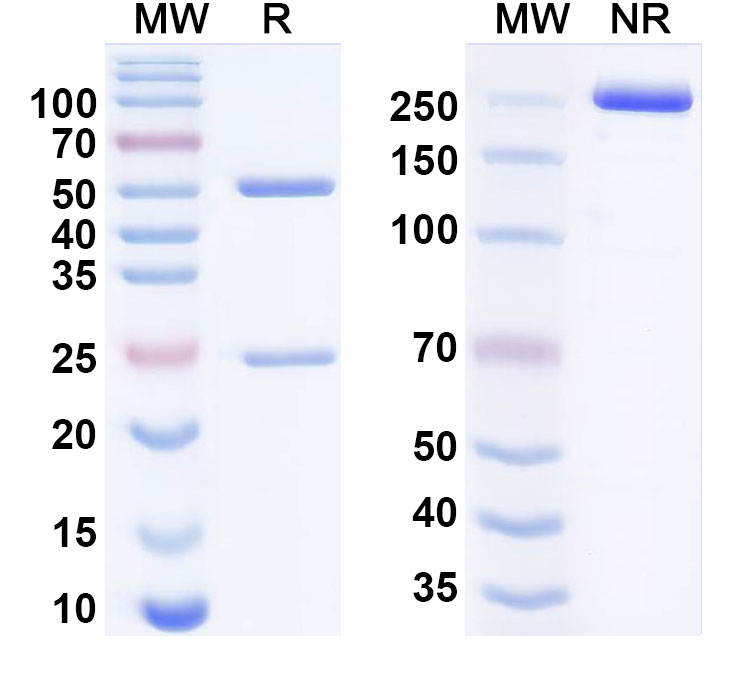 SDS-PAGE
SDS-PAGE for Research Grade Batoclimab.
-
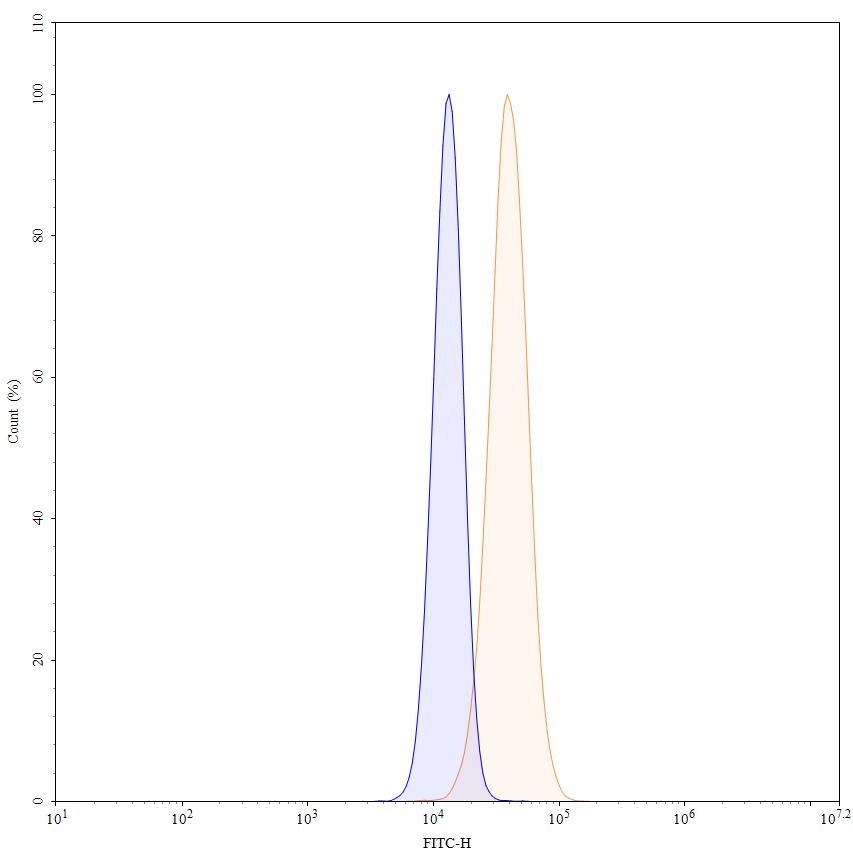 Flow CytoMetry
Flow-cytometry using FITC anti-human FCGRT antibody. U937 cells were fixed and permeabilized, then stained with an irrelevant antibody (Blue Histogram) or an FITC anti-human FCGRT monoclonal antibody (Catalog: HX061036, Yellow Histogram) at a concentration of 5 µg/ml for 30 mins at RT. After washing, and cells analysed on a NovoCyte Flow Cytometer.