


Anti-Human Glucagon R/GCGR Reference Antibody (Crotedumab, RUO)
- Catalog number: BS10393
- Availability: In Stock
$176.00
- Ex Tax: $176.00
Description: Crotedumab (BS10393) is a research-grade recombinant antibody targeting GCGR. Produced in mammalian cells with native-like glycosylation.
Highlights:
• Research Grade — For PK/PD studies, assay development, and ADA research.
• Native Glycosylation — Mammalian expression ensures native-like patterns.
Host species: Human
Isotype: IgG4-kappa
Species reactivity: Human
Immunogen:
Form: Liquid
Storage instructions:
Storage buffer: 0.01M PBS, pH7.4.
Concentration: 2.55mg/ml
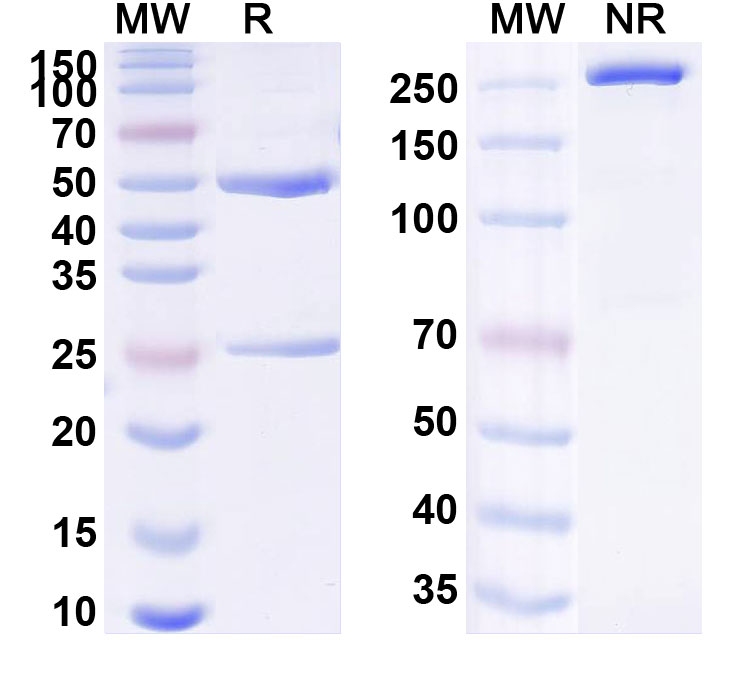
Purity: >95% as determined by SDS-PAGE.
Clonality: Monoclonal
Applications: Research Grade Biosimilar
Target: GCGR,Glucagonreceptor,GL-R
Purification: Protein A/G purified from cell culture supernatant.
Endotoxin level: <1EU/mg, determined by LAL gel clotting assay
Expression system: Mammalian Cells
Stability and Storage: Use a manual defrost freezer and avoid repeated freeze-thaw cycles. Store at 4°C short term (1-2 weeks). Store at -20°C 12 months. Store at -80°C long term.
Alternative Names: REGN-1193,CAS:1452387-69-7
Background: Glucagon receptor (GCGR) is a ~54 kDa protein. G-protein coupled receptor for glucagon that plays a central role in the regulation of blood glucose levels and glucose homeostasis. Regulates the rate of hepatic glucose production by promoting glycogen hydrolysis and gluconeogenesis. Plays an important role in mediating the responses to fasting. Ligand binding causes a conformation change that triggers signaling via guanine nucleotide-binding proteins (G proteins) and modulates the activity of down-stream effectors, such as adenylate cyclase. Promotes activation of adenylate cyclase.
References:
1. Qiao, A. et al. (2020) Science (New York, N.Y.) 367, 1346-1352. PMID: 32193322
2. Cong, Z. et al. (2024) Cell discovery 10, 18. PMID: 38346960
Note: For research use only. Not suitable for clinical or therapeutic use.
Highlights:
• Research Grade — For PK/PD studies, assay development, and ADA research.
• Native Glycosylation — Mammalian expression ensures native-like patterns.
Host species: Human
Isotype: IgG4-kappa
Species reactivity: Human
Immunogen:
Form: Liquid
Storage instructions:
Storage buffer: 0.01M PBS, pH7.4.
Concentration: 2.55mg/ml
Purity: >95% as determined by SDS-PAGE.
Clonality: Monoclonal
Applications: Research Grade Biosimilar
Target: GCGR,Glucagonreceptor,GL-R
Purification: Protein A/G purified from cell culture supernatant.
Endotoxin level: <1EU/mg, determined by LAL gel clotting assay
Expression system: Mammalian Cells
Stability and Storage: Use a manual defrost freezer and avoid repeated freeze-thaw cycles. Store at 4°C short term (1-2 weeks). Store at -20°C 12 months. Store at -80°C long term.
Alternative Names: REGN-1193,CAS:1452387-69-7
Background: Glucagon receptor (GCGR) is a ~54 kDa protein. G-protein coupled receptor for glucagon that plays a central role in the regulation of blood glucose levels and glucose homeostasis. Regulates the rate of hepatic glucose production by promoting glycogen hydrolysis and gluconeogenesis. Plays an important role in mediating the responses to fasting. Ligand binding causes a conformation change that triggers signaling via guanine nucleotide-binding proteins (G proteins) and modulates the activity of down-stream effectors, such as adenylate cyclase. Promotes activation of adenylate cyclase.
References:
1. Qiao, A. et al. (2020) Science (New York, N.Y.) 367, 1346-1352. PMID: 32193322
2. Cong, Z. et al. (2024) Cell discovery 10, 18. PMID: 38346960
Note: For research use only. Not suitable for clinical or therapeutic use.
Images
-
 Bioactivity
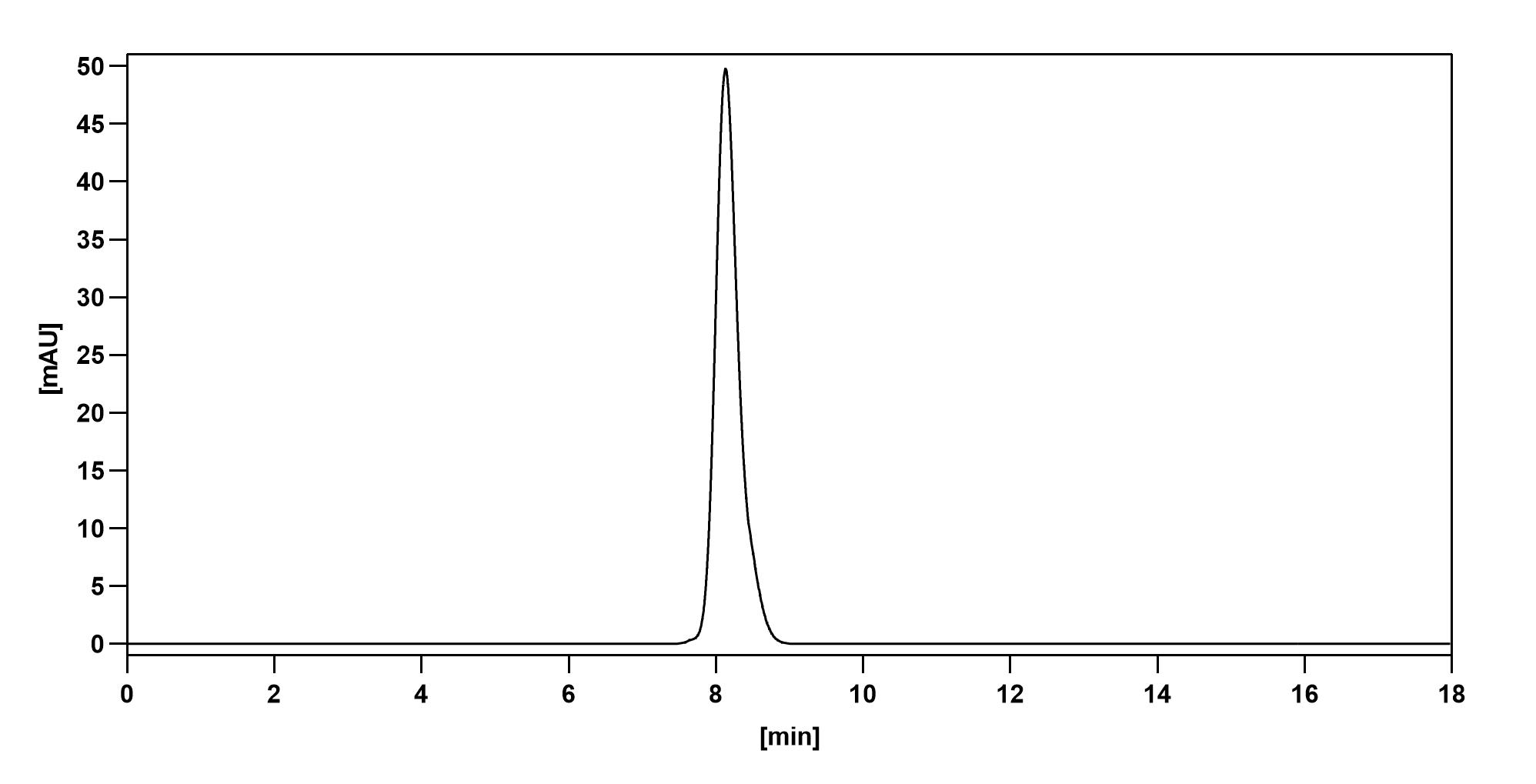
SEC-HPLC detection for Research Grade Crotedumab.
-
 SDS-PAGE
SDS-PAGE for Research Grade Crotedumab.