

Anti-Human CXCR4 Reference Antibody (Medi3185, RUO)
- Catalog number: BS10740
- Availability: In Stock
$326.00
- Ex Tax: $326.00
Description: MEDI3185 (BS10740) is a research-grade recombinant antibody targeting CD184. Produced in mammalian cells with native-like glycosylation.
Highlights:
• Research Grade — For PK/PD studies, assay development, and ADA research.
• Native Glycosylation — Mammalian expression ensures native-like patterns.
Host species: Human
Isotype: IgG1
Species reactivity: Human
Immunogen:
Form: Liquid
Storage instructions:
Storage buffer: 0.01M PBS, pH7.4.
Concentration: 1mg/ml
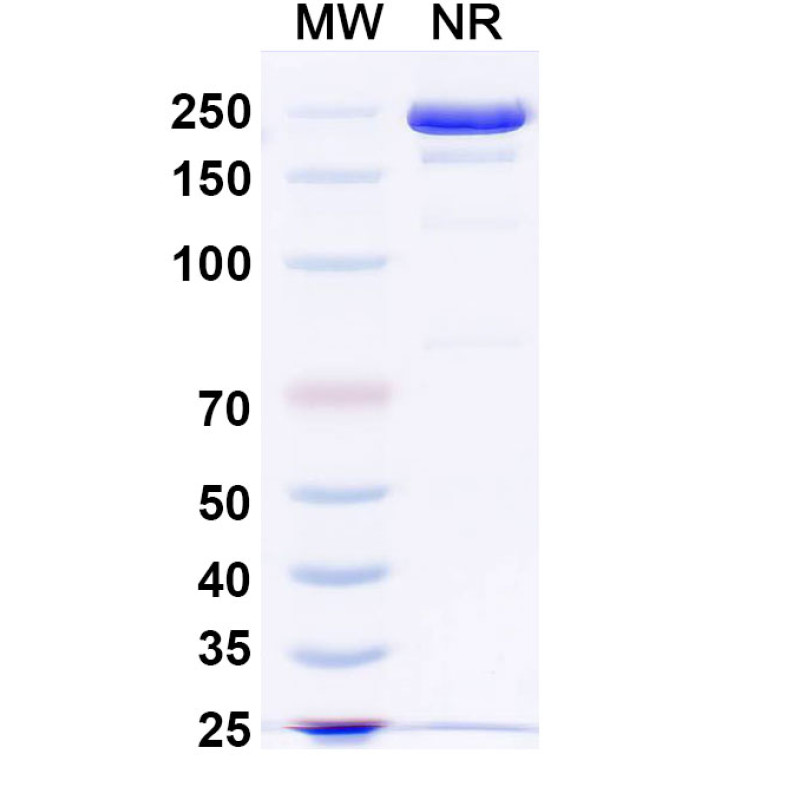
Purity: >95% as determined by SDS-PAGE.
Clonality: Monoclonal
Applications: Research Grade Biosimilar
Target: Stromalcell-derivedfactor1receptor,LCR1,HM89,LPS-associatedprotein3,LAP-3,CXC-R4,CXCR-4,SDF-1receptor,CD184,NPYRL,LESTR,Fusin,FB22,C-X-Cchemokinereceptortype4,CXCR4,Lipopolysaccharide-associatedprotein3,Leukocyte-derivedseventransmembranedomainreceptor
Purification: Protein A/G purified from cell culture supernatant.
Endotoxin level: <1EU/mg, determined by LAL gel clotting assay
Expression system: Mammalian Cells
Stability and Storage: Use a manual defrost freezer and avoid repeated freeze-thaw cycles. Store at 4°C short term (1-2 weeks). Store at -20°C 12 months. Store at -80°C long term.
Alternative Names:
Background: C-X-C chemokine receptor type 4 (CD184/CXCR4) is a ~39 kDa protein. Receptor for the C-X-C chemokine CXCL12/SDF-1 that transduces a signal by increasing intracellular calcium ion levels and enhancing MAPK1/MAPK3 activation. Ligand binding causes a conformation change that triggers signaling via guanine nucleotide-binding proteins (G proteins) and modulates the activity of downstream effectors, such as adenylate cyclase. CXCR4 is coupled to G(i) G alpha proteins and mediates inhibition of adenylate cyclase. Involved in the AKT signaling cascade. Plays a role in regulation of cell migration, e.g.
References:
1. Brelot, A. et al. (1999) Journal of virology 73, 2576-86. PMID: 10074102
2. Gupta, SK. et al. (1999) Journal of immunology (Baltimore, Md. : 1950) 163, 2368-72. PMID: 10452968
3. Cheng, ZJ. et al. (2000) The Journal of biological chemistry 275, 2479-85. PMID: 10644702
4. Brelot, A. et al. (2000) The Journal of biological chemistry 275, 23736-44. PMID: 10825158
5. Veldkamp, CT. et al. (2008) Science signaling 1, ra4. PMID: 18799424
6. Busillo, JM. et al. (2010) The Journal of biological chemistry 285, 7805-17. PMID: 20048153
7. Malik, R. et al. (2010) Molecular biology of the cell 21, 2529-41. PMID: 20505072
8. Cao, Y. et al. (2015) Leukemia 29, 169-76. PMID: 24912431
9. Lear, T. et al. (2017) American journal of physiology. Cell physiology 313, C584-C592. PMID: 28978524
10. Bleul, CC. et al. (1996) Nature 382, 829-33. PMID: 8752280
Note: For research use only. Not suitable for clinical or therapeutic use.
Highlights:
• Research Grade — For PK/PD studies, assay development, and ADA research.
• Native Glycosylation — Mammalian expression ensures native-like patterns.
Host species: Human
Isotype: IgG1
Species reactivity: Human
Immunogen:
Form: Liquid
Storage instructions:
Storage buffer: 0.01M PBS, pH7.4.
Concentration: 1mg/ml
Purity: >95% as determined by SDS-PAGE.
Clonality: Monoclonal
Applications: Research Grade Biosimilar
Target: Stromalcell-derivedfactor1receptor,LCR1,HM89,LPS-associatedprotein3,LAP-3,CXC-R4,CXCR-4,SDF-1receptor,CD184,NPYRL,LESTR,Fusin,FB22,C-X-Cchemokinereceptortype4,CXCR4,Lipopolysaccharide-associatedprotein3,Leukocyte-derivedseventransmembranedomainreceptor
Purification: Protein A/G purified from cell culture supernatant.
Endotoxin level: <1EU/mg, determined by LAL gel clotting assay
Expression system: Mammalian Cells
Stability and Storage: Use a manual defrost freezer and avoid repeated freeze-thaw cycles. Store at 4°C short term (1-2 weeks). Store at -20°C 12 months. Store at -80°C long term.
Alternative Names:
Background: C-X-C chemokine receptor type 4 (CD184/CXCR4) is a ~39 kDa protein. Receptor for the C-X-C chemokine CXCL12/SDF-1 that transduces a signal by increasing intracellular calcium ion levels and enhancing MAPK1/MAPK3 activation. Ligand binding causes a conformation change that triggers signaling via guanine nucleotide-binding proteins (G proteins) and modulates the activity of downstream effectors, such as adenylate cyclase. CXCR4 is coupled to G(i) G alpha proteins and mediates inhibition of adenylate cyclase. Involved in the AKT signaling cascade. Plays a role in regulation of cell migration, e.g.
References:
1. Brelot, A. et al. (1999) Journal of virology 73, 2576-86. PMID: 10074102
2. Gupta, SK. et al. (1999) Journal of immunology (Baltimore, Md. : 1950) 163, 2368-72. PMID: 10452968
3. Cheng, ZJ. et al. (2000) The Journal of biological chemistry 275, 2479-85. PMID: 10644702
4. Brelot, A. et al. (2000) The Journal of biological chemistry 275, 23736-44. PMID: 10825158
5. Veldkamp, CT. et al. (2008) Science signaling 1, ra4. PMID: 18799424
6. Busillo, JM. et al. (2010) The Journal of biological chemistry 285, 7805-17. PMID: 20048153
7. Malik, R. et al. (2010) Molecular biology of the cell 21, 2529-41. PMID: 20505072
8. Cao, Y. et al. (2015) Leukemia 29, 169-76. PMID: 24912431
9. Lear, T. et al. (2017) American journal of physiology. Cell physiology 313, C584-C592. PMID: 28978524
10. Bleul, CC. et al. (1996) Nature 382, 829-33. PMID: 8752280
Note: For research use only. Not suitable for clinical or therapeutic use.
Images
-
 SDS-PAGE
SDS-PAGE for Research Grade MEDI3185.